Googling “best orthodontist in Warragul for clear aligners” is a smart move, because who provides your aligners matters just as much as the aligners themselves. Two clinics can use the exact same Invisalign system and get very different results. The difference comes down to treatment planning, experience, and how well your provider understands tooth movement.
So rather than telling you who’s “the best”, here’s something more useful: how to figure that out for yourself.
Why Provider Experience Matters More Than the Brand
Invisalign, ClearCorrect, Angel Aligners. There are multiple clear aligner systems on the market, and they all work on the same basic principle: a series of custom-made removable trays that gradually shift your teeth into position.
The trays themselves are just plastic. What makes the difference is the treatment plan behind them. Your provider decides how your teeth need to move, in what order, and how to handle the tricky bits (rotations, bite corrections, stubborn teeth that don’t want to cooperate). That planning process is where experience shows.
A provider who’s treated 50 aligner cases plans differently to one who’s treated 500. They’ve seen more edge cases, managed more mid-treatment adjustments, and have a better sense of what’s realistic for your starting point.
What Invisalign Provider Tiers Actually Mean
You might have seen terms like “Gold,” “Platinum,” or “Diamond” attached to Invisalign providers. These aren’t marketing fluff. They’re based on case volume, essentially how many Invisalign cases a provider starts per year.
Here’s the general structure:
- Silver/Gold: Fewer cases per year. Often newer to Invisalign or offer it alongside many other services.
- Platinum: A significant number of cases annually. Indicates consistent aligner work.
- Platinum Elite: Among the top tier of providers. High case volume, which typically means more complex cases and more refined treatment planning.
- Diamond and above: The highest volume providers nationally.
Dentélle by WDC in Warragul holds Platinum Elite status, which puts the team in a small group of high-volume Invisalign providers in regional Victoria. That volume translates to pattern recognition. When your provider has seen hundreds of cases with similar crowding, spacing, or bite issues to yours, they can plan with more precision.
Does that automatically make them the right fit for you? Not necessarily. But it’s a solid data point.
The Right Questions to Ask Any Clear Aligner Provider
Before committing to treatment anywhere, ask these:
“How many aligner cases have you completed?” Volume matters. You want someone who does this regularly, not occasionally.
“What happens if my teeth aren’t tracking as planned?” Mid-treatment adjustments (called refinements) are common. A good provider builds this into the plan and doesn’t treat it as an afterthought.
“Can I see examples of cases similar to mine?” Not stock photos from the Invisalign website. Actual cases they’ve treated. This gives you a realistic sense of what’s achievable.
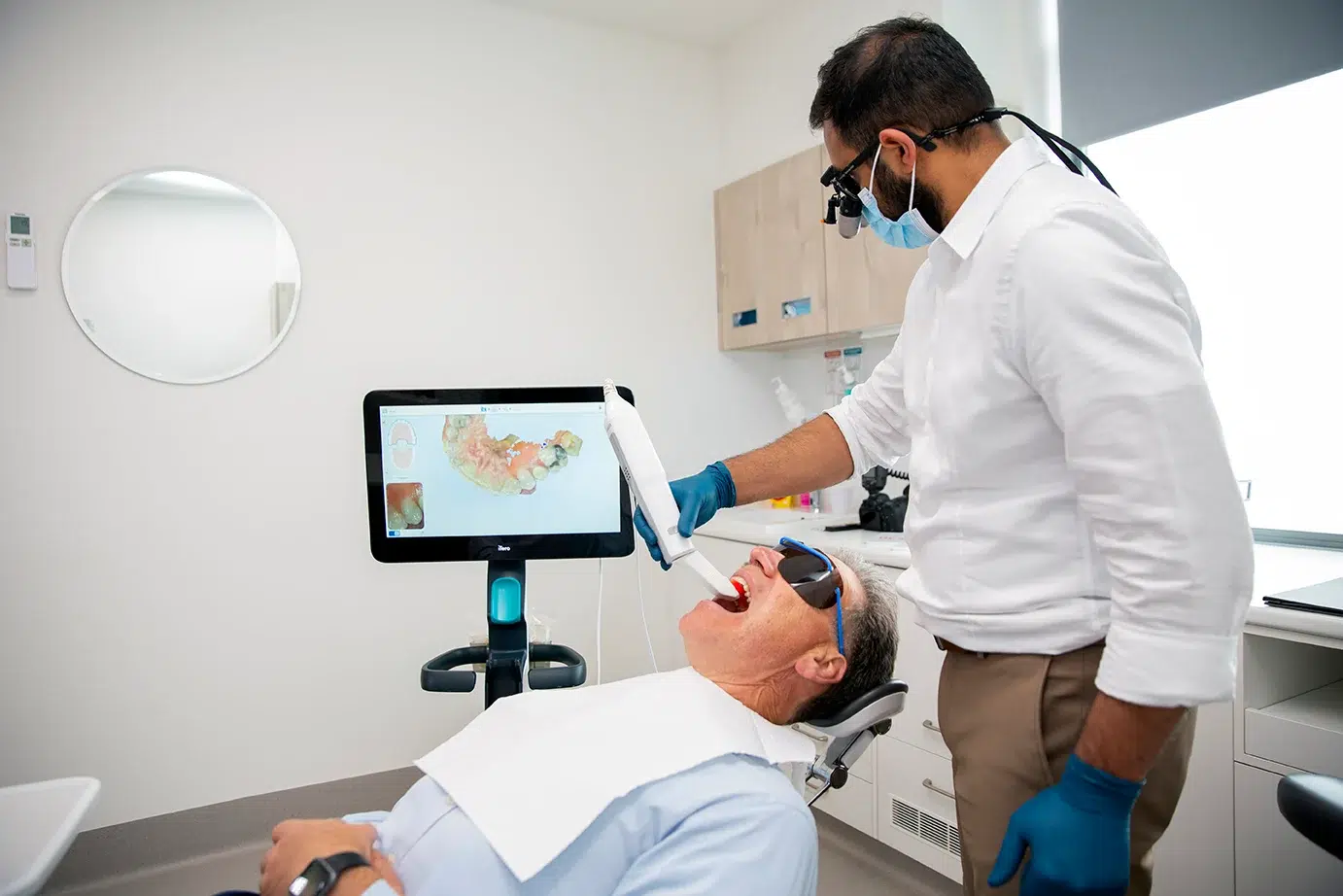
“What technology do you use for scanning and monitoring?” Digital intraoral scanners (no goopy impressions) and monitoring tools like Dental Monitoring can improve accuracy and reduce the number of in-person visits.
“What’s included in the cost?” Some providers include refinements, retainers, and follow-up visits. Others charge separately. Clarity upfront prevents surprises later.
Here’s the Thing About Clear Aligners
They’re brilliant for the right cases. Mild to moderate crowding, spacing, some overbites and crossbites. They respond well to treatment planning that accounts for your specific tooth anatomy and how your teeth are likely to move.
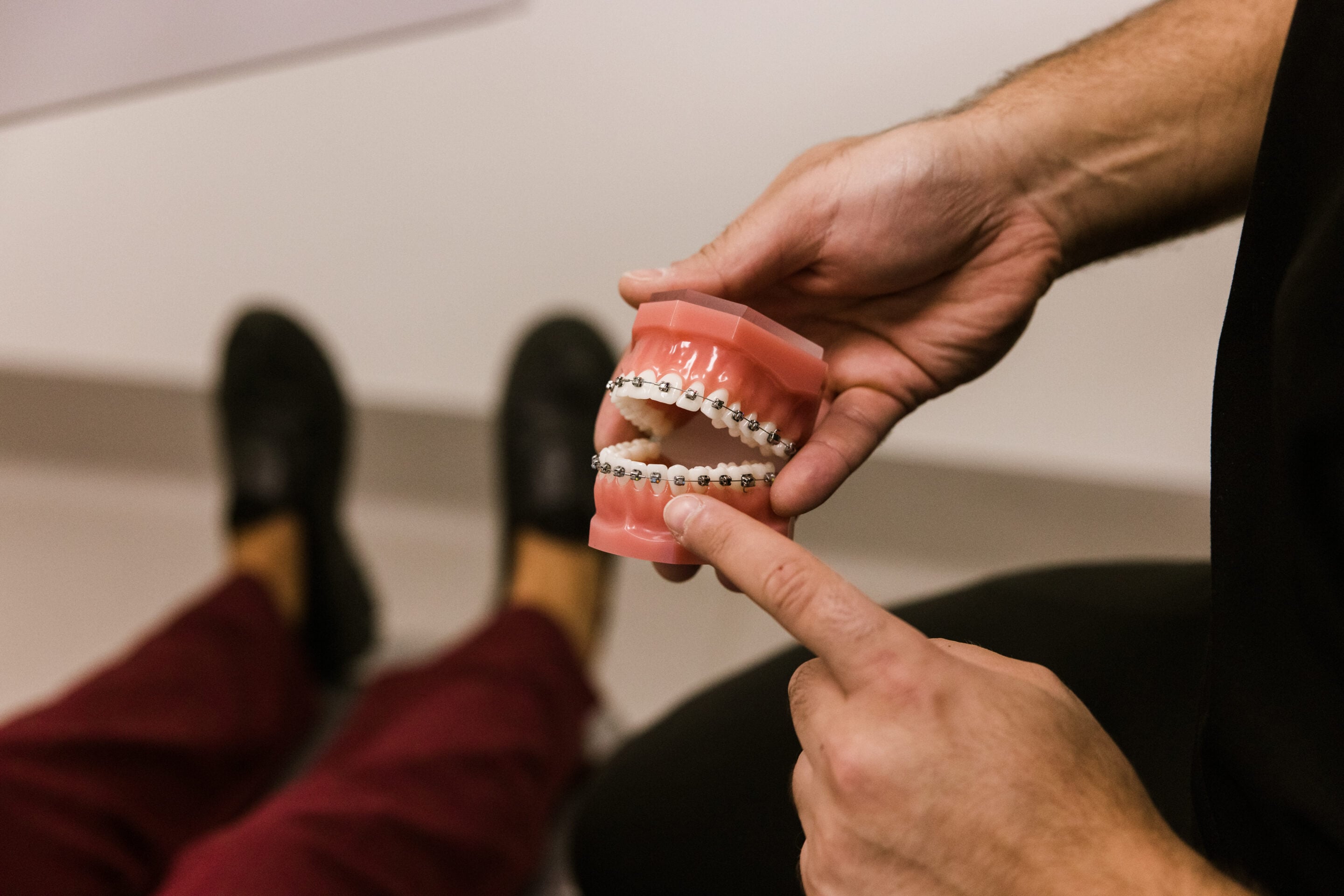
But they’re not for everyone. Severe crowding, complex bite issues, or significant rotations may need brackets and wires to get the best result. A good provider will tell you this honestly rather than fitting every case into aligners because that’s what you asked for.
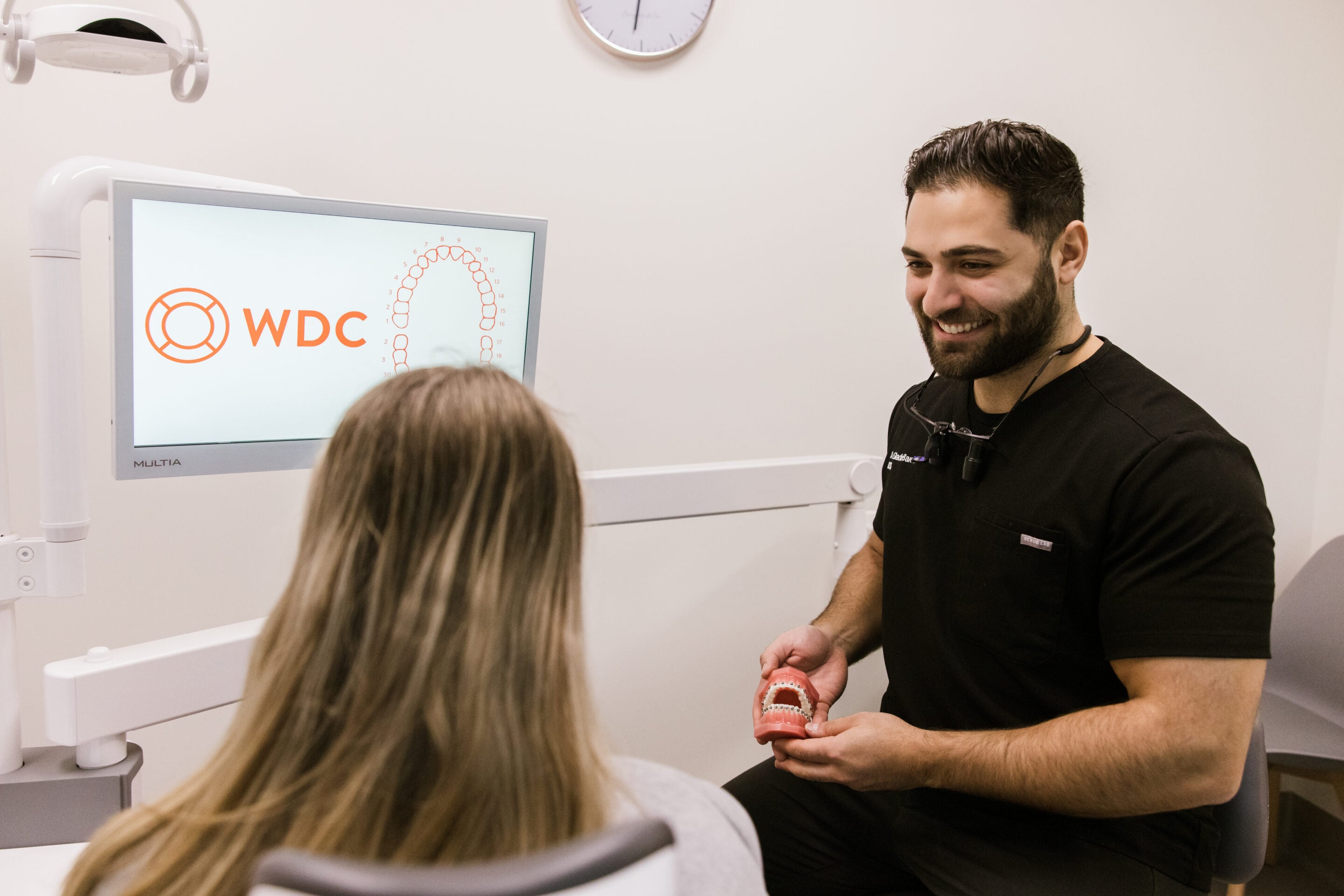
At Dentélle, the team assesses your case thoroughly before recommending a direction. If aligners are suitable, great. If braces would give you a better outcome, they’ll explain why. The goal is the right result, not the most convenient sale.
Aligners also require compliance. They need to be worn 20 to 22 hours a day, every day. They come out for eating and brushing, and that’s about it. If that level of discipline isn’t realistic for you, that’s worth factoring into your decision.
Do I Need to See a Specialist Orthodontist for Aligners?
For most clear aligner cases, no. Dentists with appropriate training and significant aligner experience can deliver excellent results for mild to moderate cases. Specialist orthodontists may be worth considering for very complex cases involving jaw positioning or skeletal issues.
The key indicator isn’t the title on the door. It’s the experience behind it.
What Your First Consultation Should Look Like
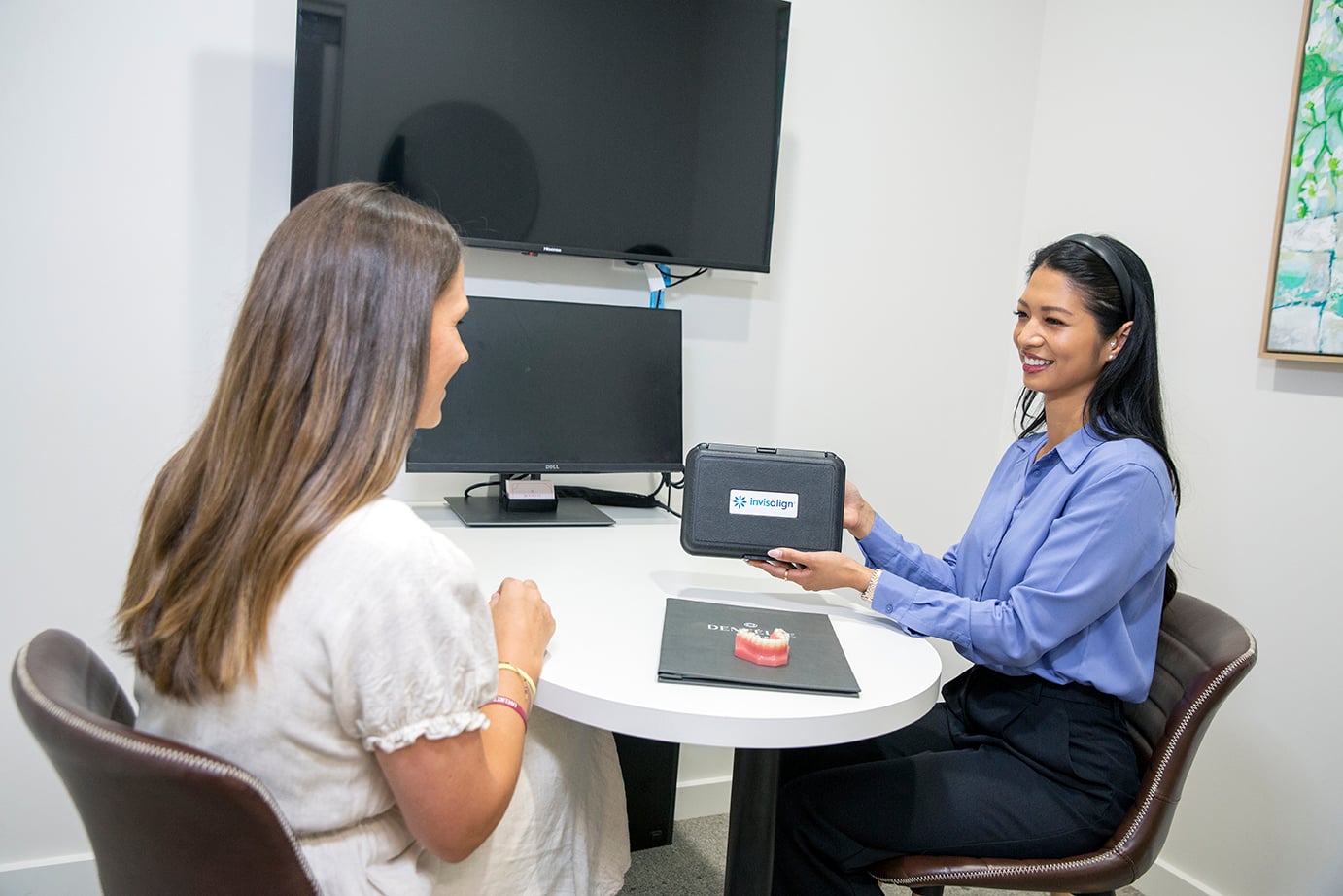
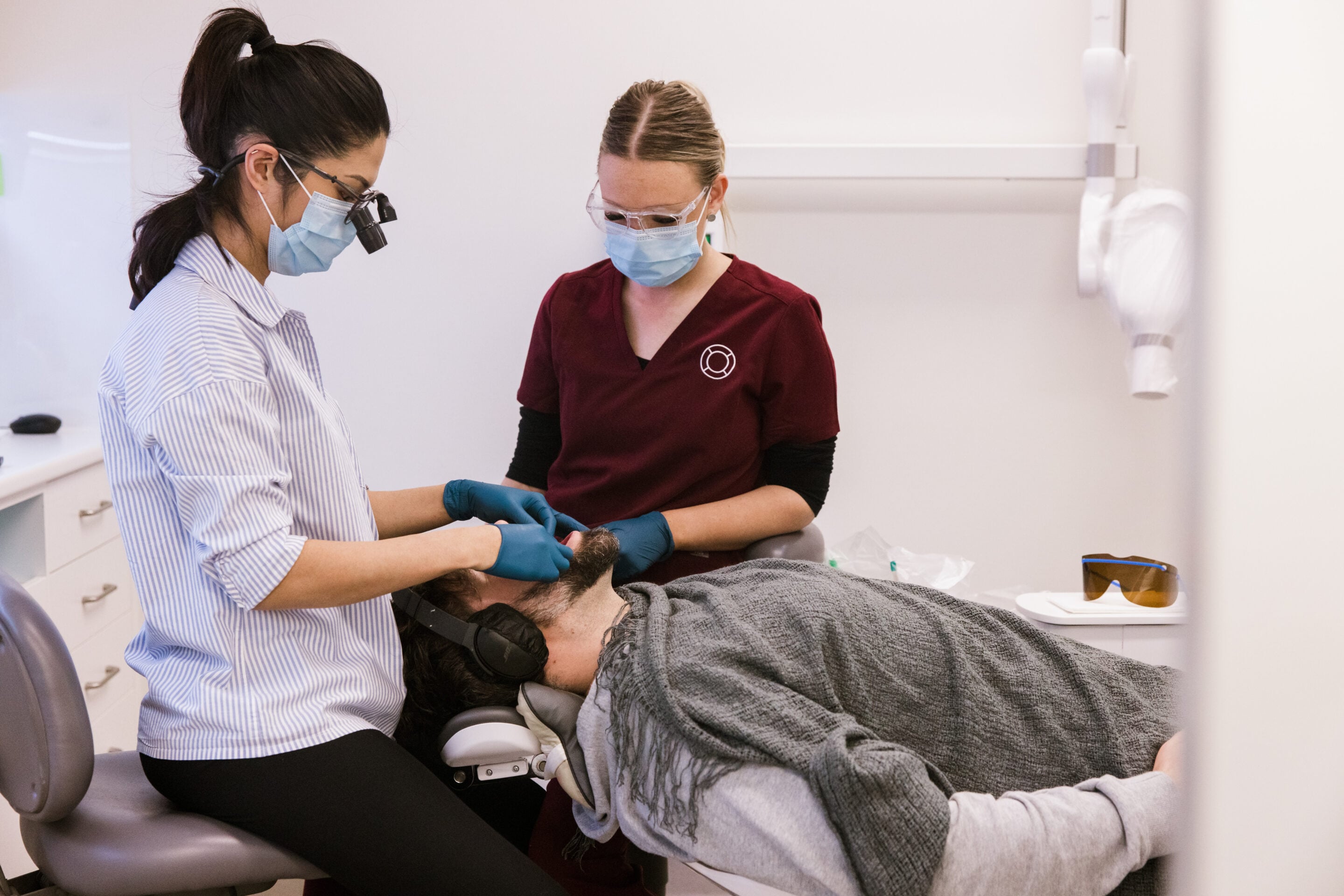
A good clear aligner consultation isn’t a quick look and a quote. It should include digital scans of your teeth (not goopy impressions), a bite assessment, a discussion of your goals and any concerns, and an honest opinion on whether aligners are the right option for your situation
At Dentélle by WDC in Warragul, consultations are complimentary. You’ll leave with a clear understanding of your options and realistic expectations, no pressure, no same-day commitments.
For people across Warragul, Drouin, Moe, and Traralgon, having this level of aligner expertise available locally means no Melbourne commute for something that requires regular check-ins over months of treatment.
Curious about whether clear aligners are right for you? Book a complimentary consultation with our team at Dentélle by WDC to get started.