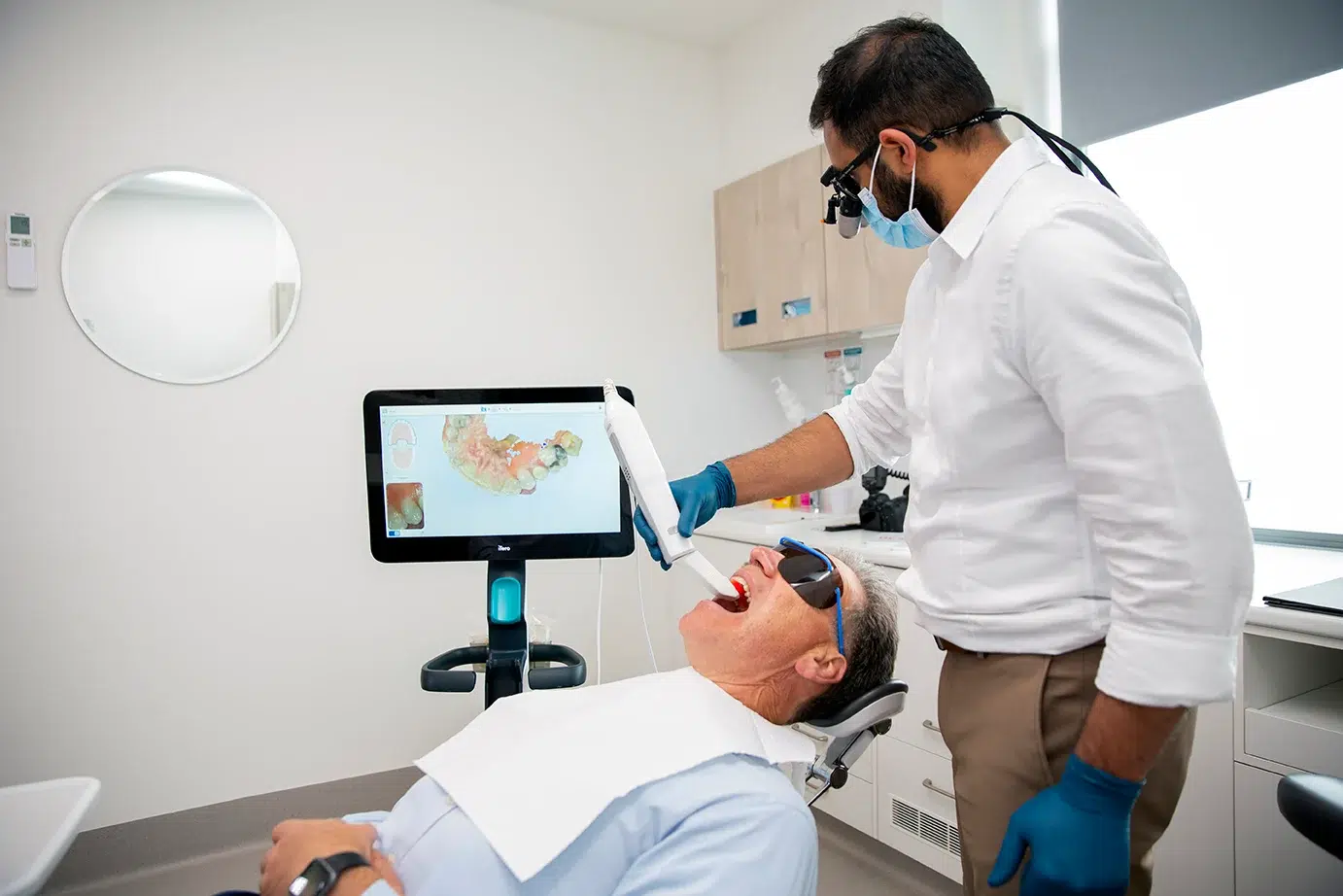
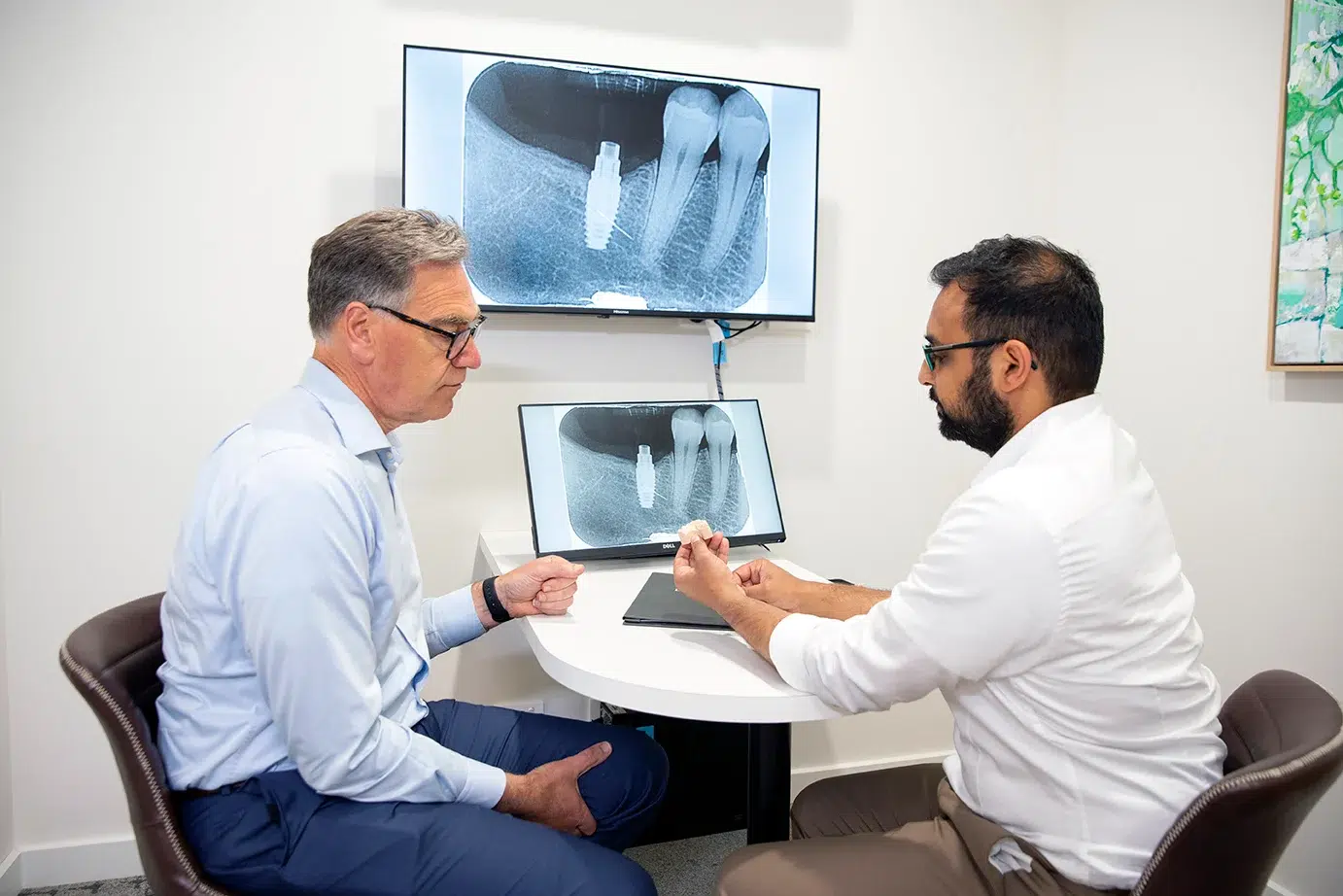
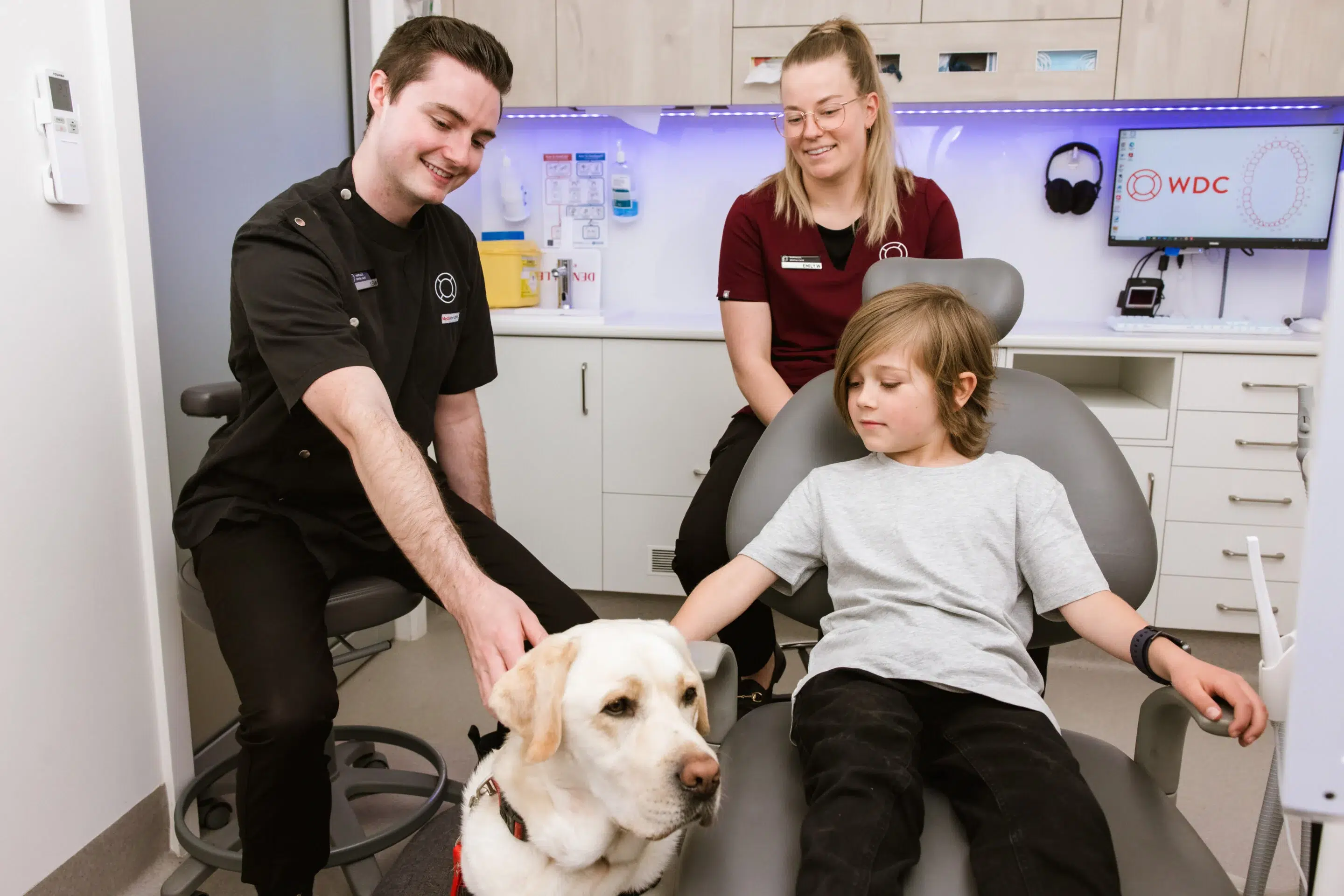
Sean at Warragul Dental Care, home of Dentelle, works with patients across Warragul and the broader Gippsland region who are managing gum disease or who are concerned about the health of their gums. Gum disease is a progressive condition, which means the earlier it is identified and treated, the more straightforward the management process becomes. Waiting tends to make things more complicated, and the consequences of leaving it untreated are significant.
Understanding Gum Disease and Its Risks
Chronic Inflammation and What It Leads To
Gum disease involves chronic inflammation of the gum tissue, and while it may not cause obvious pain in its early stages, it is actively damaging the structures that support the teeth. Over time, untreated gum disease causes the bone surrounding the teeth to shrink away, which progressively reduces the support available to keep teeth stable and in place. The end result of advanced untreated gum disease is tooth loss, which is why early intervention through periodontic treatment is so clinically important.
Signs That Should Prompt a Visit
Bleeding gums during brushing is one of the most common early indicators of gum disease and should not be dismissed as normal. Wobbly teeth, persistent bad breath, and a family history of gum disease are also reasons to seek an assessment sooner rather than later. These signs do not necessarily mean the condition is advanced, but they do mean it is worth having the gums assessed clinically so that any disease can be diagnosed and treatment can begin before things progress further.
How Periodontic Cleans Work
Treating Beneath the Gum Line
A periodontic clean goes significantly deeper than a standard scale and clean. The treatment targets the bacteria and build-up that accumulate beneath the gum line in the spaces between the gum tissue and the tooth root, which is where the damage from gum disease actually occurs. Cleaning this area thoroughly removes the source of the inflammation and creates the conditions the gum tissue needs to begin stabilising and recovering.
Anaesthetic for Comfort Throughout the Procedure
Because the treatment involves working beneath the gum line, local anaesthetic is used to ensure the patient is comfortable throughout the appointment. This makes the procedure significantly more tolerable than many patients expect, and Sean prioritises making sure each patient is settled and at ease before any clinical work begins. The anaesthetic means the depth of cleaning required can be achieved without discomfort, which is important given how thoroughly the area needs to be treated.
Treatment Every Three to Four Months
Gum disease is a chronic condition that requires ongoing management rather than a single treatment. Periodontic cleans are typically carried out every three to four months to keep the bacterial levels beneath the gum line under control and to monitor how the gum tissue is responding over time. Staying consistent with this schedule through general dentistry and periodontic care is what prevents the condition from progressing and protects the long-term stability of the teeth.
Book Your Gum Assessment at Warragul Dental Care
If your gums bleed when you brush, your teeth feel wobbly, or you have a family history of gum disease, do not wait for things to get worse. Call the team at Warragul Dental Care on 03 5614 8899 or book your appointment online today.