
The cost of gum disease treatment is one of the first things people want to know, and it’s also one of the hardest to answer without knowing what you’re actually dealing with.
Periodontal treatment isn’t a one-size price because gum disease isn’t a one-size condition. A patient with early-stage gingivitis needing a professional clean is a very different situation to someone with more advanced periodontitis requiring multiple appointments of root surface therapy. The treatment, and therefore the cost, depends entirely on what’s found during an assessment.
Here’s a breakdown of the main factors that affect what you’ll pay, and what your private health fund is likely to contribute.
What Affects the Cost
Periodontal treatment pricing is driven by a few key factors, and understanding them helps you go into an assessment with realistic expectations.
Severity of gum disease. Early-stage gingivitis typically requires a professional scale and clean, which is a standard dental item. More advanced periodontitis, where bacteria have moved below the gumline, may require root surface debridement across multiple appointments. More appointments and more clinical time means higher overall cost.
Number of teeth involved. Gum disease doesn’t always affect every tooth equally. Treatment is often priced per tooth or per section of the mouth, so the extent of involvement matters.
Whether follow-up monitoring is needed. Periodontal maintenance appointments after initial treatment are an ongoing part of managing gum disease. These are typically less involved than the initial treatment but are a recurring cost worth factoring in.
What Your Health Fund Usually Covers
Most private health funds with general or major dental cover contribute to periodontal treatment, though the specific items covered and the rebate amount vary significantly between funds and levels of cover.
Items commonly covered include professional scale and cleans, periodontal charting and assessment, and root surface debridement. The gap payment, what you pay after the rebate, depends on your fund, your level of cover, and the item numbers involved.
At Dentélle, we use HICAPS for on-the-spot private health fund claiming, so you’ll know your out-of-pocket amount before you leave. We’re also happy to provide an estimated treatment plan in advance so you can check with your fund before committing.
The Reality Check on “Cheap” Periodontal Treatment
It’s worth saying directly: periodontal treatment that skips proper assessment, doesn’t address what’s below the gumline, or doesn’t include a maintenance plan isn’t a bargain. It’s incomplete.
Gum disease that isn’t properly managed tends to progress. And treating more advanced periodontitis costs more, takes longer, and involves more clinical intervention than treating it earlier. The most cost-effective approach to gum disease is nearly always the one that addresses it properly the first time.
At Dentélle, we’ll tell you exactly what treatment is recommended, why, and what it’s likely to cost before you proceed. No pressure, no upselling, just a clear picture of what your situation needs.
Getting a Personalised Quote in Warragul
Because periodontal treatment pricing depends so much on individual circumstances, the most useful thing we can offer is a proper assessment followed by a written treatment plan.
New patients receive a complimentary first consultation. From there, we can provide a detailed breakdown of recommended treatment, expected item numbers, and an estimated out-of-pocket cost after your health fund contribution.
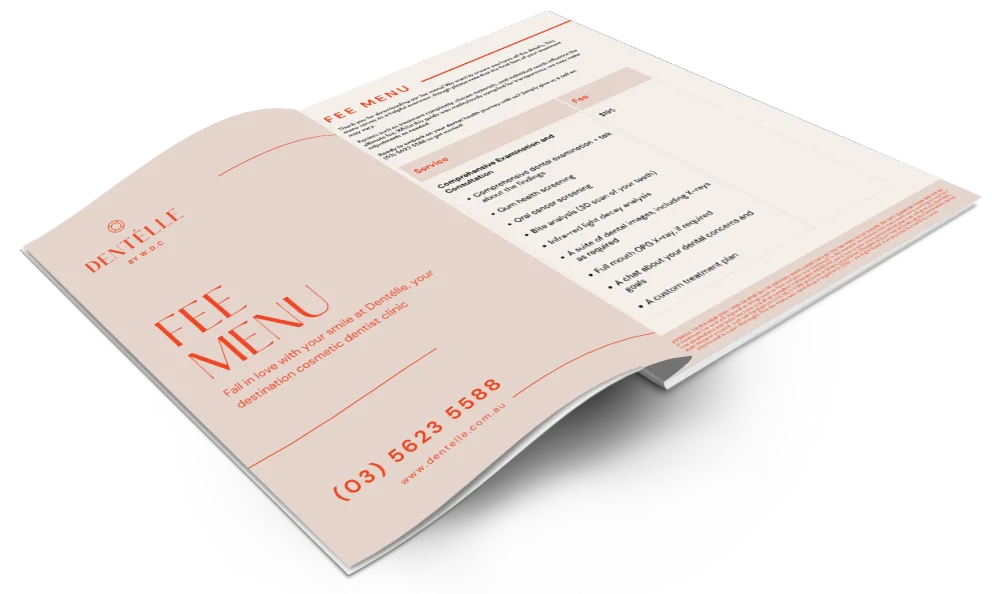
Download our fee guide from our website for a general overview of periodontal treatment pricing. For patients coming from Drouin, Moe, Traralgon or anywhere across West Gippsland, our Warragul practice is the local alternative to Melbourne pricing and Melbourne travel.
Call us or book your consultation online to get started.